Create Your Design Using Construction Software
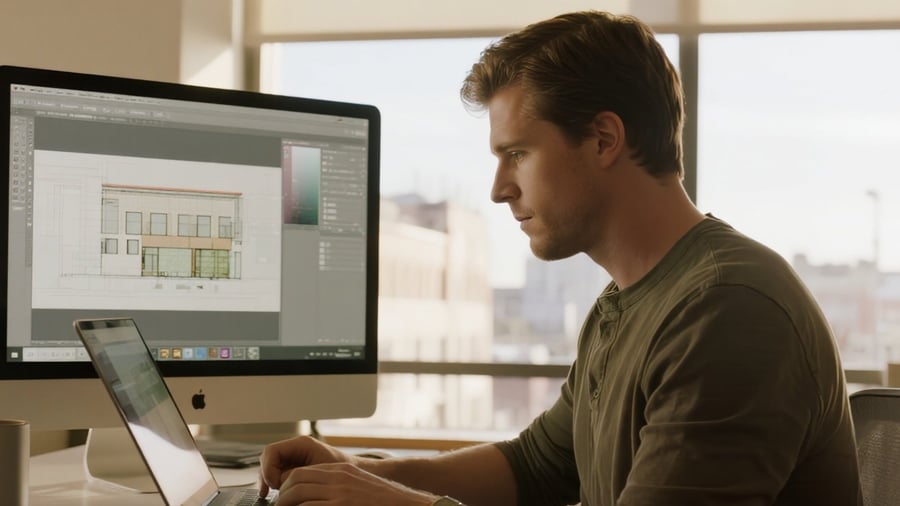
In the rapidly evolving field of construction, design software has become indispensable. Whether you are an architect, engineer, or DIY enthusiast, the ability to create accurate and engaging designs is vital. This article digs into various aspects of construction software, exploring features, advantages, and tips for making the most out of these tools. We'll answer common questions such as what types of software are available, how to choose the right one, and how you can enhance your projects.
Understanding Construction Software: Types and Features
Construction software comes in various forms, each designed for specific tasks within the construction design process. For instance, Computer-Aided Design (CAD) software allows for intricate 2D and 3D modelling. It is the backbone of architectural design, enabling precise representation of dimensions and materials.
Building Information Modelling (BIM) software takes this a step further. It provides detailed information about every component within the building, promoting collaboration among professionals. Software like Autodesk Revit exemplifies this approach, allowing architects and engineers to converge on a singular model, reducing errors and improving efficiencies. There's also project management software, like Procore, which integrates design planning with scheduling and budgeting.
The choice of software depends on your specific needs. If intricate architectural designs are your focus, CAD or BIM solutions are ideal. For project-oriented tasks, simple project management tools may suffice. Understanding these features helps you select the right software for your tasks.
The Advantages of Using Construction Software
Using construction software saves time and resources. Traditional design methods often involve extensive drafting and revisions, while digital tools enable instant modifications. For instance, with CAD software, one can easily alter dimensions or materials, seeing the results in real-time. This speed can be crucial in meeting tight deadlines.
Moreover, construction software reduces the margin of error. Designs that may have discrepancies when drawn by hand can be quickly spot-checked against models and simulations. This accuracy diminishes the likelihood of costly mistakes during construction. Additionally, the visualization capabilities of 3D modelling software help clients and stakeholders understand the project before construction begins, smoothing out the decision-making process.
Collaboration benefits also arise when using construction software. Tools that allow multiple users to access and modify a project create an environment of teamwork. This is especially true for software with cloud capabilities, which facilitate sharing and tracking changes among team members across various locations.
Choosing the Right Construction Software for Your Needs
Selecting the right construction software requires careful consideration of your project requirements and team dynamics. Start by assessing the scale of the project. For smaller projects, basic CAD software may suffice; however, larger ventures might necessitate complex BIM systems for better coordination.
Budget is another critical factor. Many software options offer tiered pricing or subscription models, allowing you to choose a plan that fits your financial constraints. Popular options like SketchUp offer free versions that can still deliver effective designs for smaller projects.
User-friendliness is also paramount; the best software is intuitive and easy to navigate. Consider whether you and your team need extensive training or if a more straightforward solution will suffice. Finally, look for customer support and developer communities that can assist when challenges arise.
Practical Tips for Maximizing Design Output
To fully harness the potential of construction software, consider adopting a few best practices. First, always start with a clear plan. Outline your design goals, constraints, and expected outcomes before even launching your software. Knowing what you want to achieve helps direct your use of the tools available.
Leverage templates and existing libraries within the software. Many construction design programs come with pre-designed components and layouts that can save you time. Utilizing these resources often speeds up the drafting process while maintaining quality.
Frequent backups of your work ensure that no design gets lost due to technical hiccups. Using cloud storage solutions additionally allows you to access your designs from anywhere, which is beneficial for collaborative efforts. Regular feedback sessions with colleagues or clients throughout the design process can also provide valuable insights and lead to better final outcomes.
The Future of Design in Construction Software
Technology continues to revolutionize the construction design field. Emerging trends include artificial intelligence (AI) integration into design systems. These AI frameworks can predict structural weaknesses or suggest optimal materials based on project specifications, ultimately advancing design quality.
Augmented reality (AR) tools are also gaining traction. They enable designers and clients to visualize a construction project in real-world settings, transforming how design negotiations occur. For instance, stakeholders can walk through a virtual representation of the building even before the first brick is laid.
As sustainability becomes more crucial, construction software is evolving to accommodate eco-friendly designs. Systems are now aligning with green building requirements and providing options to evaluate energy efficiency during the design phase. This shift reflects an understanding that modern construction must harmonise with environmental responsibilities.
In summary, construction software transforms the way designs are conceived and executed. Selecting the right software tailored to your needs is crucial for maximizing design efficiency. The benefits it offers—speed, accuracy, collaboration, and future-proofing—are invaluable in today’s competitive construction landscape. By adopting best practices and staying updated with evolving technologies, you can ensure that your designs not only meet today's demands but also anticipate tomorrow's challenges.