Explore the Forklift Profession: A Guide to a Rewarding Career
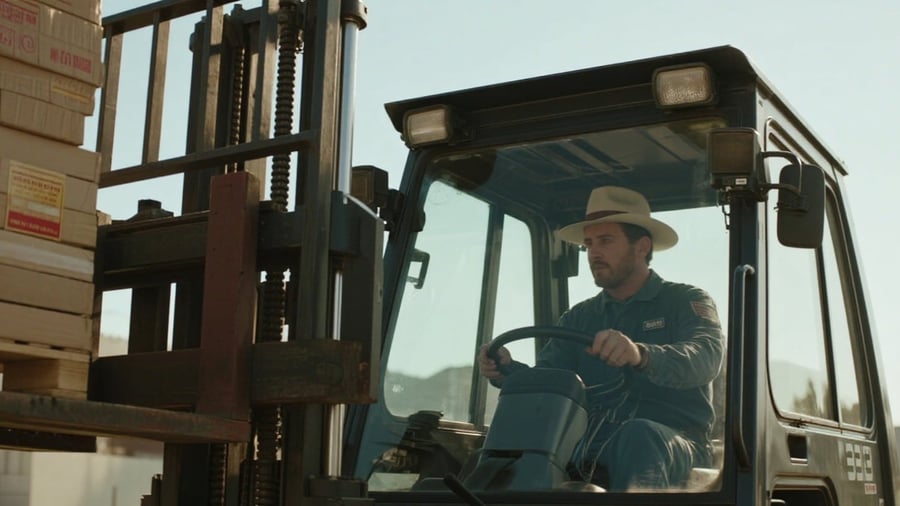
The forklift profession is essential in the modern logistics and warehousing sector. Forklift operators are responsible for moving heavy materials, stocking shelves, and ensuring efficient warehouse operations. As more businesses focus on streamlining their supply chains, the demand for skilled forklift operators continues to grow. This article will explore various aspects of the forklift profession, including the required training and certification, job opportunities available in the field, the potential for career growth, safety measures, and common challenges faced by operators. Furthermore, we'll discuss the role of technology in the profession and how it is shaping the future of forklift operation.
Understanding Forklift Operation and Training
To become a forklift operator, individuals must undergo training and pass certification tests. Training typically combines classroom instruction with hands-on experience. The Occupational Safety and Health Administration (OSHA) sets standards for forklift training, ensuring operators receive education on safety practices and equipment handling. This training is crucial as improper use can lead to accidents and injuries in the workplace.
Various organizations provide forklift training programs. These include community colleges, technical schools, and online courses. Participants learn about different forklift types, operational techniques, and safety protocols. After completing the training, they can take a written exam followed by a practical test to demonstrate their skills. A valid certification can impact job opportunities significantly, as many employers prefer hiring certified operators to ensure safety and compliance with regulations.
Job Opportunities in the Forklift Industry
The forklift profession offers diverse job opportunities across various industries, including manufacturing, construction, retail, and warehousing. Job roles can range from entry-level positions to more advanced roles, such as warehouse supervisors or logistics coordinators. According to the Bureau of Labor Statistics, the demand for material moving machine operators, which includes forklift drivers, is projected to grow in the coming years as the economy expands and e-commerce continues to rise.
Job seekers can find opportunities through job boards, staffing agencies, and company websites. Companies often seek operators who can work flexible hours and adapt to varying workloads. Even entry-level positions that require minimal experience can lead to advancement opportunities, as operators gain more skills and responsibilities over time. Additionally, many companies offer on-the-job training to further enhance workers' qualifications.
Career Growth and Advancement Opportunities
One of the attractive aspects of the forklift profession is the potential for career growth. With experience and additional training, operators can advance to supervisory roles, where they oversee a team of forklift operators and manage inventory processes. Many employers encourage certified operators to pursue further education, such as specialized training in logistics management or supply chain operations, to prepare for higher positions.
Networking within the industry provides opportunities for growth as well. Joining professional organizations or attending trade shows can help operators establish valuable connections that may lead to new job prospects. Continuous learning through workshops or certifications on advanced machinery can also further enhance their skills and make them more appealing to employers.
Safety Protocols and Challenges in the Field
Safety is a top priority in the forklift profession. Operators must adhere to strict safety protocols to prevent accidents and ensure the well-being of themselves and their coworkers. This includes wearing personal protective equipment, conducting pre-shift inspections of their forklifts, and following proper lifting techniques.
Challenges in this profession can include navigating narrow aisles, managing heavy loads, and working in high-pressure environments. Forklift operators must also be prepared for varying weather conditions if they work outdoors. Recognizing these challenges and actively seeking solutions through training and practice can help operators enhance their skills and maintain safety. Additionally, companies that prioritize safety training help to minimize the risk of accidents and enhance overall operational efficiency.
The Impact of Technology on Forklift Operations
Technology is rapidly transforming the forklift profession. Advanced features such as automated guided vehicles (AGVs) and forklift telematics systems are being integrated into the industry. These advancements increase efficiency and reduce human error by allowing machines to operate autonomously or provide real-time data on performance.
Moreover, remote controls and smartphone apps are becoming more common, enabling operators to manage equipment from a distance. Employers are increasingly looking for operators who are tech-savvy and capable of using these new technologies. Continuous education on emerging tools will be essential for operators who wish to stay relevant in a changing job market. As the workforce evolves through technology, adapting to these changes will be crucial for career longevity.
The forklift profession is a vital part of the logistics industry, offering numerous training opportunities and career paths. Operators play a crucial role in ensuring efficient operations across various sectors. With the right training, safety protocols, and a willingness to adapt to technology, individuals can find a rewarding career as forklift operators. The field is not only growing but also evolving, presenting many opportunities for those willing to invest in their skills and future. As the demand for skilled forklift operators continues to rise, so does the potential for personal and professional growth.