Maximizing Warehouse Efficiency with the Right Racking Solutions
Understanding Warehouse Racking Systems
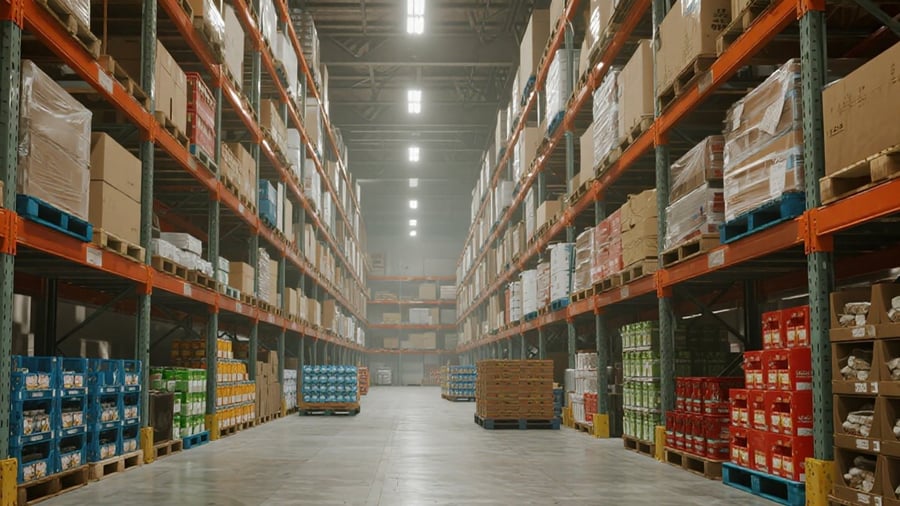
Warehouse racking systems are essential for organizing goods, maximizing storage capacity, and ensuring efficient material handling. With a wide range of options available, it’s important to choose the best racking solution based on your specific operational needs. Whether you're dealing with heavy items, high-volume products, or limited floor space, the right racking system can make all the difference.
Types of Warehouse Racking Systems
1. Pallet Racking: Pallet racking is one of the most common and versatile warehouse racking solutions. It’s designed to store large quantities of goods on pallets, typically in rows and shelves. This system allows for easy access to goods and is highly customizable, fitting well in warehouses of various sizes. Pros: Efficient use of vertical space. Easy inventory management. Wide range of configurations available. Cons: Requires a lot of floor space. Not ideal for smaller, irregularly shaped items.
2. Selective Racking: Selective racking allows easy access to all stored items, making it a popular choice for warehouses where goods need to be rotated frequently. This system is great for businesses that deal with fast-moving inventory. Pros: Direct access to each pallet. Cost-effective and simple to install. Cons: Lower density of storage compared to other racking systems.
3. Drive-In Racking: This system is designed for high-density storage of similar items. Forklifts can drive into the racking lanes, allowing for deep storage of products. Ideal for bulk storage, drive-in racking can help maximize the available space. Pros: High-density storage. Ideal for large quantities of similar items. Cons: Limited accessibility to individual pallets without moving others.
4. Flow Racking: Flow racking is designed to handle goods on a first-in, first-out (FIFO) basis. This system uses gravity to move products from one end to the other, ensuring that older products are used first. It's highly efficient for perishable goods or high-demand items. Pros: FIFO inventory management. Space-efficient. Cons: More expensive to install than selective racking.
5. Push-Back Racking: Push-back racking allows pallets to be stored in lanes, with the pallets pushed back by forklifts as new pallets are added. This system maximizes space by allowing deeper storage compared to selective racking while maintaining easy access to goods. Pros: High-density storage. Access to multiple pallets in each lane. Cons: Higher upfront costs. Limited flexibility for product variety.
Choosing the Right Warehouse Racking System
Selecting the right racking system depends on several factors, including:
1. Space Efficiency: Maximizing vertical space is crucial in warehouses with limited floor space. High-density systems like drive-in racking and push-back racking are ideal for maximizing storage capacity.
2. Inventory Type: If your warehouse deals with perishable goods or products with high turnover, systems like flow racking or selective racking are better suited to ensure quick access and efficient stock rotation.
3. Budget Considerations: While high-density systems offer great space efficiency, they tend to come with higher installation costs. If you are working with a smaller budget, systems like selective racking provide a more affordable and simple solution.
4. Accessibility and Movement: The ability to easily access your products is crucial for operational efficiency. If quick and frequent access to each individual product is necessary, selective or flow racking might be your best option.
5. Warehouse Layout: The configuration of your warehouse and its layout will determine how effective a racking system will be. Make sure to choose a system that aligns with your existing infrastructure to minimize disruption and installation costs.
Cost and ROI of Warehouse Racking Systems
The cost of a warehouse racking system varies depending on the type, size, and complexity of the system you choose. While systems like flow racking or push-back racking come with higher upfront costs, they may offer better returns on investment (ROI) by increasing storage capacity and improving inventory management.
Investing in the right racking system is a long-term strategy for improving warehouse efficiency and reducing operational costs. While the initial investment can be significant, the benefits in terms of better organization, faster access to goods, and optimized storage can result in considerable savings over time.
Choosing a Warehouse Racking Supplier
When selecting a supplier for your racking solution, consider the following factors:
1. Expertise and Experience: Look for suppliers with a proven track record in providing warehouse racking systems and a good understanding of your industry’s specific needs.
2. Customer Support: Choose a supplier that offers installation services, ongoing maintenance, and strong customer support to ensure the longevity of your racking system.
3. Customization Options: If your warehouse has unique storage needs, opt for a supplier that offers customization options to tailor the racking system to your specific requirements.
4. Reputation and Reviews: Check customer reviews and case studies to ensure that the supplier is reliable and delivers quality products.
Conclusion
Warehouse racking solutions play a crucial role in optimizing storage and improving operational efficiency. By carefully considering factors such as space, inventory needs, and budget, you can select the most suitable racking system for your warehouse. Investing in the right system will not only streamline operations but also ensure better long-term returns and scalability.