Working in Canada’s Construction Industry: What You Need to Know
Overview of Construction Work in Canada
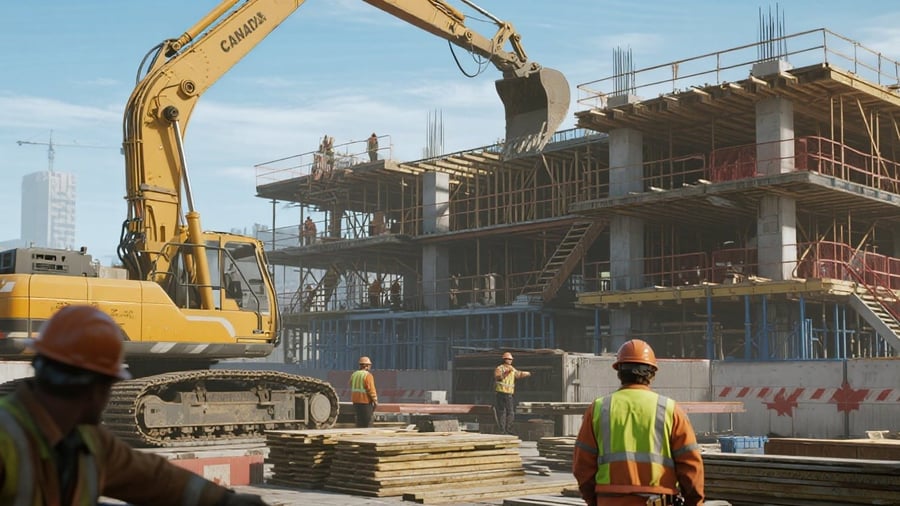
The Canadian construction industry covers a wide range of projects, including residential homes, commercial buildings, and public infrastructure like roads and bridges. Due to continued urban development and maintenance needs, the demand for construction workers remains steady across provinces.
Common job categories include:
General Labourers
Carpenters
Concrete and Rebar Workers
Crane and Heavy Equipment Operators
Electricians and Plumbers
Site Supervisors and Construction Managers
Some roles require licensing and training, while others are open to entry-level workers with on-the-job instruction.
Typical Job Duties and Responsibilities
Construction job duties vary depending on your role and the type of project. However, general responsibilities often include:
Preparing job sites and cleaning debris
Loading and unloading materials
Building frameworks or installing structures
Operating equipment such as forklifts or excavators
Collaborating with other crew members
Following safety protocols and site supervisor instructions
Most jobs involve physical labor, attention to detail, and the ability to follow directions in a fast-paced environment.
Work Environment and Conditions
Construction work in Canada typically takes place outdoors and is influenced by weather, especially in provinces with cold winters or heavy rain. Some key points include:
Workdays usually start early (around 7:00 AM)
Safety equipment like helmets, vests, and steel-toe boots is mandatory
Teamwork and communication are vital on-site
Jobs can be physically demanding and require stamina
Conditions may involve working at heights or with loud machinery
Companies must follow provincial health and safety laws, and workers receive training on hazard prevention.
Skills and Qualifications Needed
For many entry-level positions, no formal education is required, but the following skills are valued:
Basic English communication skills (for safety and instructions)
Physical strength and endurance
Knowledge of tools and materials
Punctuality and teamwork
More specialized roles such as electricians, carpenters, or crane operators often require:
Certification through apprenticeship programs
A Red Seal endorsement (national trade certification)
Provincial licenses for operating certain machinery
Construction Worker Salaries in Canada
Construction wages vary by region, experience level, and trade specialization. Below is a general overview of average hourly wages:
Role Average Hourly Wage (CAD)
General Labourer $18 – $25
Carpenter $25 – $35
Heavy Equipment Operator $30 – $40
Site Supervisor/Foreman $35 – $50+
Unionized jobs and long-term contracts often come with added benefits like:
Health and dental insurance
Paid vacation days
Pension plans
Overtime pay
How to Find Construction Jobs in Canada
There are several reliable ways to search for construction work:
Online Job Boards: Indeed.ca, JobBank.gc.ca (Canada’s government job site)
Local Construction Companies: Check their careers page
Recruitment Agencies: Specialize in temporary or full-time construction roles
Trade Schools and Apprenticeship Programs: Often connect students with employers
Applicants with valid work permits or permanent residency can apply directly, but foreign workers may need to check eligibility under programs like the Temporary Foreign Worker Program (TFWP).
Is Construction Work in Canada Easy?
While construction jobs can offer good pay and job security, they are not always “easy.” The work can be physically demanding, and workers are often exposed to challenging conditions. However, for those who enjoy hands-on tasks, working outdoors, and being part of a team, construction can be a highly rewarding career.
Conclusion
The construction industry in Canada is full of opportunity for individuals with the right mindset and work ethic. Whether you’re just starting out or looking to upgrade your skills, this field offers solid wages, long-term stability, and a clear career path. With proper training and safety awareness, anyone can build a strong future in Canadian construction.