How to Replace or Repair Your Water Heater in the U.S.
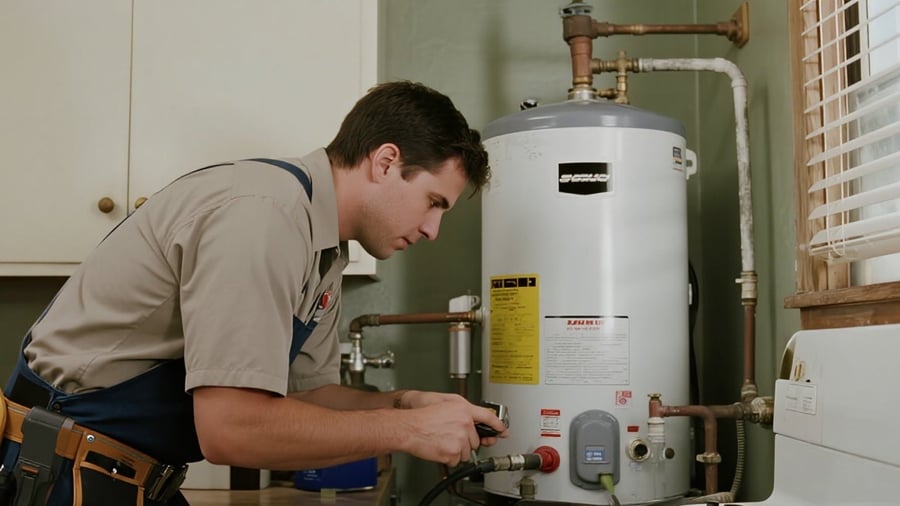
Understanding Water Heater Basics
Water heaters are essential for everyday comfort, supplying hot water for showers, laundry, and dishwashing. The two main types are tank and tankless systems. Tank models store and heat water continuously, while tankless versions heat water on demand. Common fuel sources include electricity, natural gas, and propane.
Most water heaters last between 8–12 years, but efficiency, usage, and maintenance greatly influence their lifespan.
Common Issues and Signs of Failure
Before calling a technician, it’s helpful to understand the symptoms of a failing unit. Common problems include:
Inconsistent water temperature
Rusty or discolored water
Strange noises from the tank
Leaks or pooling water
Rising energy bills
If your unit is more than 10 years old and exhibits multiple issues, replacement may be more cost-effective than repeated repairs.
Repair or Replace: How to Decide?
Repair: If your heater is under 8 years old and the issue is minor (e.g., a faulty thermostat or heating element), repair is often sufficient.
Replace: Units over 10 years old with tank corrosion, severe leaks, or high energy consumption should be replaced. Modern models are significantly more efficient and may reduce monthly utility costs.
Water Heater Replacement Options
When replacing your water heater, consider the following factors:
Type: Tank vs. tankless
Size: Measured in gallons (for tank models) or flow rate (for tankless)
Fuel Source: Electric, gas, propane, or hybrid
Energy Efficiency: Look for ENERGY STAR® certified units
Cost: New units typically range from $500 to $2,500 depending on type and features
Popular brands in the U.S. include Rheem, A.O. Smith, Bradford White, and Rinnai.
Installation and Replacement Process
Hiring a licensed plumber or HVAC professional is recommended for both safety and code compliance. A standard replacement usually involves:
Draining and removing the old unit
Updating plumbing or venting if needed
Installing the new system
Testing and ensuring proper operation
Labor costs vary by region, but homeowners typically spend $1,000–$3,000 total for water heater replacement, including labor and parts.
Repair Services: What to Expect
If opting for a repair, most contractors offer:
Diagnostic services (flat fee or hourly)
Replacement of individual parts (e.g., pressure relief valve, heating element)
Emergency repair availability
Warranty on labor and parts
Average repair costs range from $150 to $600, depending on the problem and unit type.
Choosing the Right Service Provider
When hiring a contractor, look for:
Licensing and insurance
Transparent pricing
Good customer reviews
Warranties on services
Emergency service availability
Platforms like HomeAdvisor, Angi, or Google Reviews can help find trusted local providers.
Tips for Maintenance and Longevity
Regular maintenance can extend your water heater’s lifespan:
Flush the tank annually to remove sediment
Test the pressure relief valve
Insulate the tank and pipes
Schedule routine inspections
Some companies offer annual maintenance plans, which may include priority repair services and discounts.
Final Thoughts
Replacing or repairing a water heater isn’t something most homeowners look forward to, but knowing the signs of failure, the repair/replacement process, and the available service options helps reduce stress and prevent costly mistakes. Whether you're planning a full upgrade or a simple repair, working with experienced professionals ensures safety, efficiency, and peace of mind.