Maximizing Storage Efficiency with Warehouse Racking Solutions
What Are Warehouse Racking Solutions?
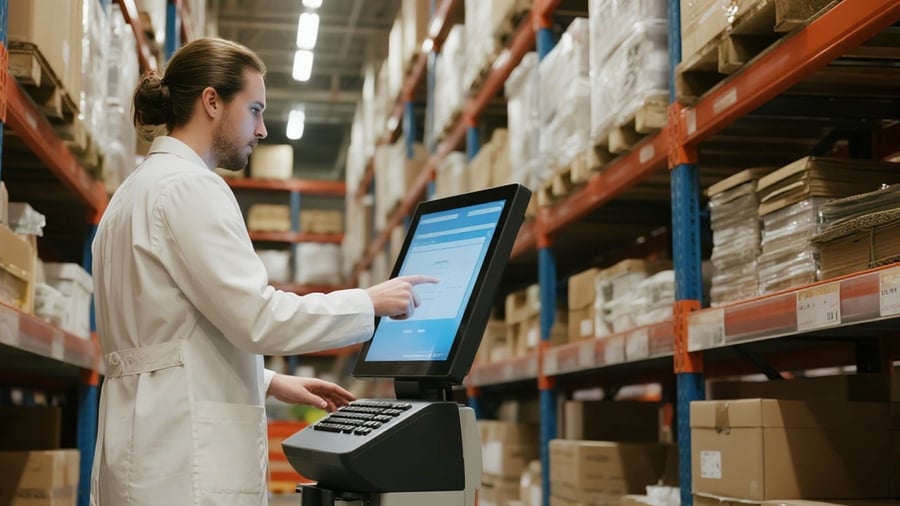
Warehouse racking solutions refer to the systems used to store materials in a warehouse in an organized and accessible manner. These include various types of racks, such as selective pallet racking, drive-in/drive-thru racking, push-back racks, and cantilever systems. Each type serves different storage needs based on the product type, weight, and volume.
Racking systems are typically made from high-strength steel and designed to support heavy loads, ensure durability, and allow easy access for forklifts or automation. They are a core component of supply chain efficiency.
How Do These Systems Work?
The basic function of any racking system is to maximize vertical and horizontal space. Depending on the layout and operational goals, warehouses may implement:
Selective Pallet Racks: Most common type; allows direct access to each pallet. Ideal for many SKU varieties with moderate inventory turnover.
Drive-In/Drive-Thru Racks: Designed for high-density storage where forklifts drive directly into the rack structure. Best for large quantities of similar items.
Push-Back Racks: Pallets are loaded from the front and move backward on carts. This system reduces aisle space while still offering access to different SKUs.
Cantilever Racks: Ideal for storing long items like lumber, pipes, or furniture.
Gravity Flow Racks: Use roller tracks to move products forward automatically. Often used in order picking or FIFO (first-in-first-out) systems.
Automation is increasingly integrated into these systems, including AS/RS (Automated Storage and Retrieval Systems), which improve picking speed and reduce labor costs.
Where Are Warehouse Racking Solutions Used?
These systems are found in a variety of industries and facilities:
Retail distribution centers
E-commerce fulfillment warehouses
Cold storage facilities
Manufacturing plants
Automotive parts warehouses
Pharmaceutical storage units
Each environment has unique demands. For example, cold storage requires corrosion-resistant racking, while high-volume e-commerce needs rapid access and automation-ready layouts.
Key Considerations When Choosing a System
Choosing the right racking solution involves assessing several factors:
Available space: Both floor area and vertical height must be considered.
Type and weight of goods: Different products require different racking types and load capacities.
Inventory turnover: High-turnover goods benefit from easy-access systems like selective racks, while slow-moving inventory may suit high-density systems.
Budget: Initial cost, maintenance, and potential for future expansion all factor into ROI.
Safety and compliance: OSHA regulations and local building codes must be followed to ensure worker safety.
Professional warehouse consultants or engineers often assist in the design and planning phase to optimize efficiency.
Benefits of Modern Racking Solutions
Improved space utilization: Makes full use of vertical space.
Enhanced safety: Engineered systems reduce risk of collapse and injury.
Faster operations: Organized layout speeds up retrieval and inventory counts.
Scalability: Systems can be expanded or modified as business grows.
Cost savings: Efficient storage reduces the need for additional warehousing space.
Installation and Maintenance
Most racking systems require professional installation to ensure structural integrity. Ongoing maintenance is also critical—routine inspections help identify wear, corrosion, or damage. In the U.S., some states require annual safety inspections for industrial racking.
Sustainability and Future Trends
Many manufacturers now offer racking systems made from recycled steel. Additionally, warehouse automation and smart sensors are being integrated into racking systems for real-time inventory tracking and energy efficiency. The future points toward hybrid solutions that combine manual flexibility with automated intelligence.
Conclusion
Warehouse racking solutions are an indispensable part of modern logistics, helping businesses optimize space, reduce costs, and improve productivity. Choosing the right system can significantly impact overall warehouse performance and long-term scalability.