Credit Cards Demystified: What You Need to Know Before Applying
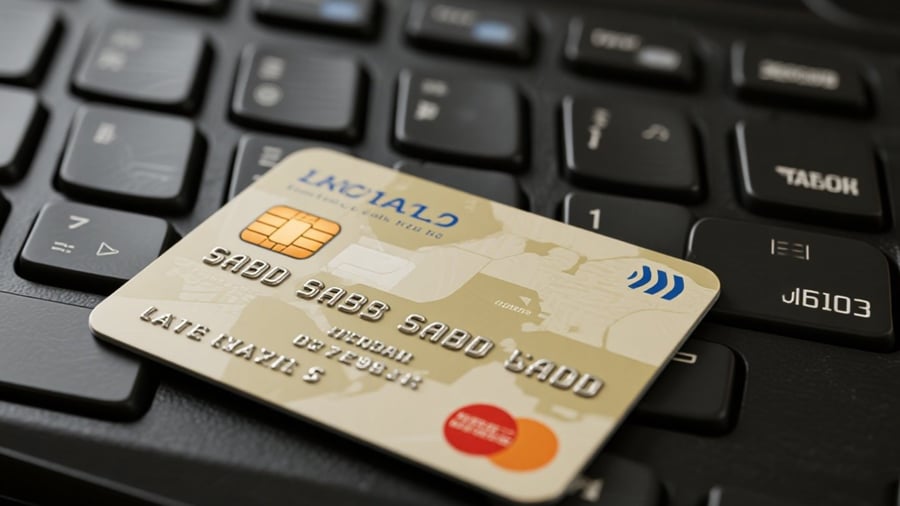
What Is a Credit Card and How Does It Work?
A credit card is issued by a bank or financial institution, giving the holder a set credit limit to borrow funds for purchases or services. When using a credit card, you’re essentially borrowing money that must be repaid, typically with interest if not paid in full by the due date.
Main Features Include:
Credit Limit: The total amount you're allowed to spend.
Annual Percentage Rate (APR): The interest charged if balances aren’t paid off.
Grace Period: An interest-free period if you repay your balance in full.
Rewards and Incentives: Cashback, airline miles, or other perks.
Different Types of Credit Cards
Personal Credit Cards
These cards are tailored for individual use, offering features like low introductory rates, cashback, and loyalty points.
Business Credit Cards
Aimed at entrepreneurs and companies, these cards help track expenses and may offer higher credit limits and business-specific perks. Services like Revolut Bank Business are examples of providers in this space.
Secured vs. Unsecured Cards
Secured: Requires a deposit and is ideal for those building or repairing credit.
Unsecured: Requires no deposit and is granted based on your creditworthiness.
How to Apply for a Credit Card
Instant Approval Credit Cards
Many institutions now offer rapid approval using automated systems that evaluate your application within minutes. These services often require online forms and immediate credit checks.
Easy Online Processing
Banks and financial companies have made it easier than ever to apply for credit cards online. A few clicks and you can get a decision almost instantly.
Fast-Track Your Application
To get a credit card quickly, make sure your financial documents are ready. Credit score, income, and debt levels are key eligibility factors.
Options for Bad Credit
If you have a poor credit history, consider secured credit cards or cards specifically designed for credit rebuilding. These options help you improve your score with responsible use.
Best Practices for Managing Credit
Always Pay on Time: Late payments can hurt your score and add fees.
Keep Spending in Check: Don’t exceed your credit limit to maintain a healthy credit profile.
Review Monthly Statements: Regularly checking your statements helps catch unauthorized charges or errors early.
Top Online Credit Card Processing Firms in U.S. Cities
Across major American cities, companies offer secure and efficient credit card processing for businesses:
City Company Key Feature
New York Square User-friendly interface
Los Angeles PayPal Fraud protection & secure payments
Chicago Stripe Customizable payment options
Houston Authorize.Net High-level security protocols
Phoenix WorldPay Full-service support for small biz
(Source: Merchant Maverick)
No-Credit-Check Credit Cards: A Growing Trend
Some consumers prefer credit cards that don’t require a credit check, especially those rebuilding after financial setbacks. While these cards often carry higher fees and APRs, they provide a path back to financial stability.
Available In:
United States
Canada
United Kingdom
Australia
These countries offer products for individuals with limited credit access or past issues.
Common Credit Card Questions Answered
Q1: What should I look at before applying for a credit card?
A1: Review the interest rate, fees, rewards, and ensure it suits your financial goals.
Q2: Can I apply for multiple cards at once?
A2: It’s possible, but each application triggers a hard inquiry, which may reduce your score.
Q3: What does instant approval really mean?
A3: It means your application is evaluated automatically, often with a near-instant response.
Q4: Are no-credit-check cards risky?
A4: Yes, they often come with high fees and APRs, so read the terms carefully.
Q5: How can I increase my chances of approval?
A5: Keep your credit score high, pay bills on time, and lower your debt-to-income ratio.
Credit Card Trends Around the World
Credit card adoption varies based on region and local banking infrastructure.
U.S.: High usage, multiple cardholders per household.
Europe: Growing shift to contactless and mobile payments.
Asia-Pacific: Fast digital adoption driving growth.
Understanding global trends can help users choose financial products that align with technological shifts and lifestyle needs.