Boosting Efficiency and Savings with the Right Warehouse Racking System
What Is Warehouse Racking and Why Does It Matter?
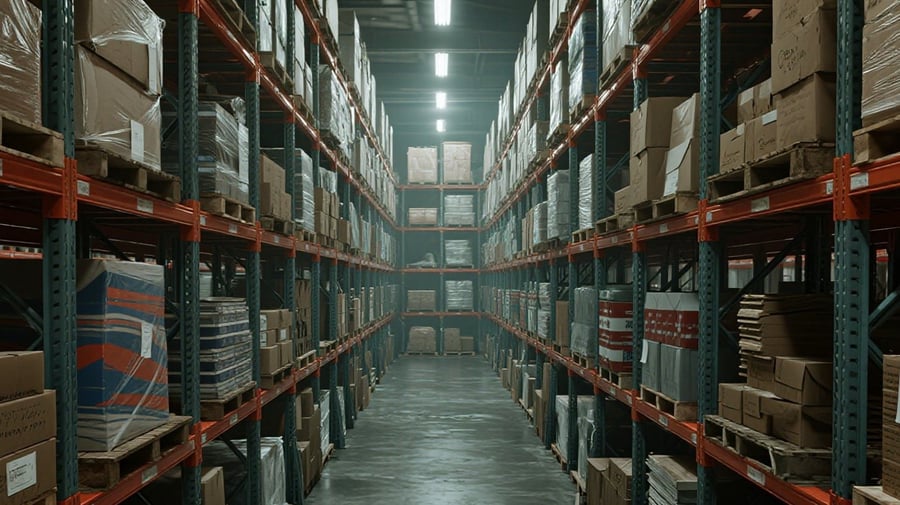
Warehouse racking refers to structured storage systems designed to hold products efficiently on pallets or shelves. These systems, made up of upright frames and horizontal beams, create multiple levels of shelving that allow businesses to use vertical space effectively. Proper racking not only increases storage capacity but also improves accessibility and safety, becoming a cornerstone of warehouse logistics.
Main Types of Warehouse Racking Systems
Different types of racking serve different business needs. The most popular systems include:
1. Selective Racking: Offers direct access to individual pallets; great for fast-moving inventory.
2. Drive-In/Drive-Through Racking: Allows forklifts to enter racking aisles, ideal for storing large volumes of similar items.
3. Push Back Racking: Uses inclined rails; multiple pallets can be stored in depth.
4. Pallet Flow Racking: Employs gravity and rollers to move items, reducing handling time for high-turnover goods.
5. Cantilever Racking: Suited for long or bulky items like metal bars, pipes, or lumber.
6. Double-Deep Racking: Stores two rows of pallets back-to-back to enhance density while slightly reducing accessibility.
How Racking Systems Improve Efficiency
An effective racking system transforms chaotic storage into a streamlined operation. By using vertical space that would otherwise go unused, businesses can store more without expanding their facility. Neatly arranged products reduce retrieval time and help staff work faster. Moreover, by minimizing product damage and ensuring stability, companies reduce waste and operational costs. All of these improvements lead to quicker order processing and better inventory management.
Key Benefits of Implementing Warehouse Racking
Customizable Solutions: Systems can be configured to meet the specific dimensions and workflows of each warehouse.
Flexible Adjustments: Racking layouts can evolve as inventory types and volumes change.
Maximized Space Utilization: Both vertical and horizontal space are optimized.
Enhanced Safety: Proper stacking reduces the risk of accidents.
Quick Accessibility: Easier product access leads to better employee productivity and faster shipments.
Ensuring Racking Safety: What You Need to Know
Safety is essential in warehouse environments. Here’s how to keep your racking system secure:
Routine Inspections: Regularly check racks for structural damage or misalignment.
Load Compliance: Follow manufacturer load guidelines strictly.
Employee Training: Ensure all warehouse staff understand proper loading and safety protocols.
Unobstructed Aisles: Keep all walkways and forklift lanes clear.
Preventive Maintenance: Proactive servicing helps detect and solve minor issues before they become costly or dangerous.
Making the Smart Choice: How to Select the Best System
Before choosing a racking system, assess your specific needs—volume, product type, turnaround speed, and available space. Urban warehouses might focus more on vertical utilization, while larger suburban facilities may benefit from high-density systems like drive-in or pallet flow racks. Consulting with racking professionals can help match your operation with the most efficient solution, ensuring long-term ROI and scalable performance.
Conclusion
Warehouse racking isn’t just about storage—it’s about smarter logistics. From increasing space efficiency to improving worker productivity and safety, the right racking system becomes a critical tool for operational excellence. Invest time in planning and choose a system that grows with your business.