The Hidden Heroes of Healthcare: A Day in the Life of a Hospital Cleaner
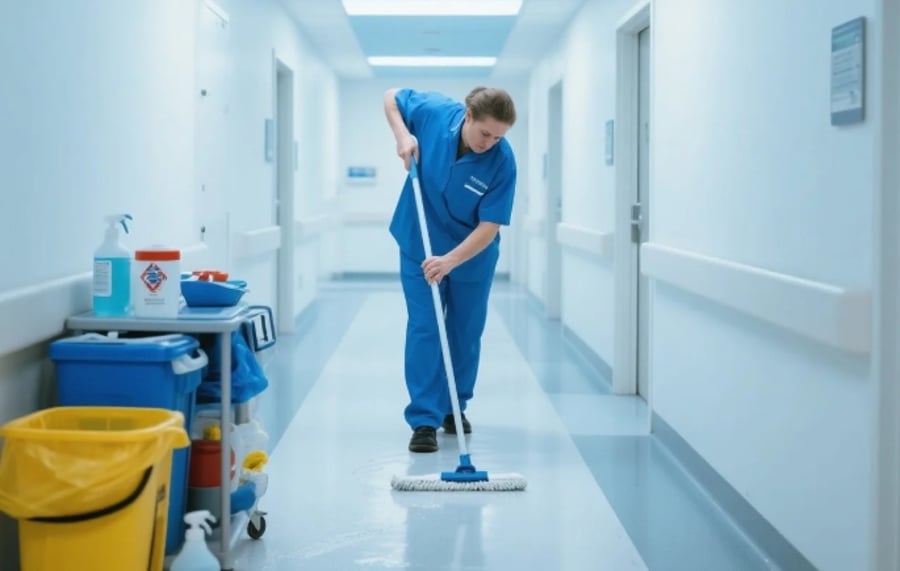
These are the hidden heroes of healthcare, working tirelessly every day to ensure that medical facilities are not only functional but also safe. Their job is more than sweeping and mopping—it’s about protecting lives from invisible threats.
6:00 AM – The Start of a Silent Mission
The hospital never sleeps, and neither do the people who keep it running. For many hospital cleaners, the day begins before sunrise. By 6 a.m., most of them are already dressed in their uniforms, ready to take on the quiet battle against germs, bacteria, and viruses.
The early hours are often reserved for deep cleaning patient rooms, operating theaters, and high-risk areas like the ICU. “This is when the hospital is calm,” says Maria, a hospital cleaner with over 10 years of experience. “We can focus on cleaning rooms thoroughly before the rush begins.”
She begins with sanitizing high-touch surfaces—bed rails, door handles, light switches—using hospital-grade disinfectants. Then she moves to mopping floors and replacing linens in patient rooms. Each room takes 20 to 30 minutes, depending on its size and use.
8:30 AM – Peak Activity, Maximum Caution
As hospital staff and visitors start filling the corridors, cleaners become more alert—not only to messes but to risks. Cleaning during peak hours means maneuvering through gurneys, patients, and families. It requires patience, discretion, and speed.
The job is physically demanding. Hospital cleaners can walk up to 10 miles a day and lift dozens of pounds in waste and laundry. But physical strength is only part of the equation.
“You have to be extremely detail-oriented,” says David, who works in a surgical wing. “One missed spot can become a source of infection. We’re not just cleaners—we’re part of the infection control team.”
10:00 AM – Biohazard Zones and Emotional Labor
Hospital cleaners aren’t just responsible for standard sanitation. They also clean biohazard zones—rooms exposed to blood, bodily fluids, or infectious diseases. In pandemic times, their jobs became even more dangerous, with cleaners donning full PPE to disinfect COVID-19 units.
“There were days I was scared,” Maria recalls. “But I knew my work was important. We were the first line of defense after the doctors.”
Emotional resilience is another part of the job often overlooked. Cleaners work in end-of-life care units, neonatal units, and trauma wards. They see grief, pain, and loss up close—yet must remain professional and calm.
“Sometimes I enter a room where a patient has just passed,” David shares. “I take a moment, breathe, and remind myself—I’m here to help the next person stay safe.”
1:00 PM – Teamwork and Trust
Hospital cleaning is rarely a solo mission. Cleaners often work in small teams, covering large areas together. Coordination is key, especially during emergencies or high-traffic hours. Communication with doctors and nurses is constant. For example, before entering an isolation room, a cleaner needs clearance and briefing on special procedures.
“Some people still think we’re just ‘janitors,’” Maria says, “but in this environment, we’re teammates. Nurses rely on us, and we rely on them. There’s mutual respect.”
In some hospitals, cleaners are now included in staff meetings and infection control briefings—an important step toward recognizing their professional status.
3:00 PM – The Unexpected Happens
No two days are the same for a hospital cleaner. A sudden patient discharge, an emergency surgery, a spilled specimen, or a biohazard alert can instantly change the day’s routine. Flexibility is crucial.
“There’s no script,” David laughs. “We could be scheduled to clean admin offices, but end up disinfecting an entire trauma ward.”
Every action is logged and documented, from chemicals used to cleaning time, ensuring strict compliance with health and safety standards. Hospital cleaners are trained in sanitation protocols, chemical safety, and emergency procedures—skills that rival many technical professions.
5:00 PM – Finishing the Day, Leaving No Trace
As evening falls, hospital cleaners begin final sweeps of public areas—lobbies, bathrooms, waiting rooms. Floors are polished, garbage bins emptied, surfaces sanitized. The day ends where it started: in quiet, invisible labor.
Cleaners rarely get thanked. Patients may not know their names. Yet without them, hospitals would become breeding grounds for infections, and surgeries would become deadly.
“I always say—we don’t save lives like doctors, but we protect them, every day,” Maria says with a soft smile.
Why Their Work Matters More Than Ever
In the age of superbugs and pandemics, hospital-acquired infections (HAIs) are a growin