Exploring a Career in Food Packaging: Stability, Growth, and Opportunity
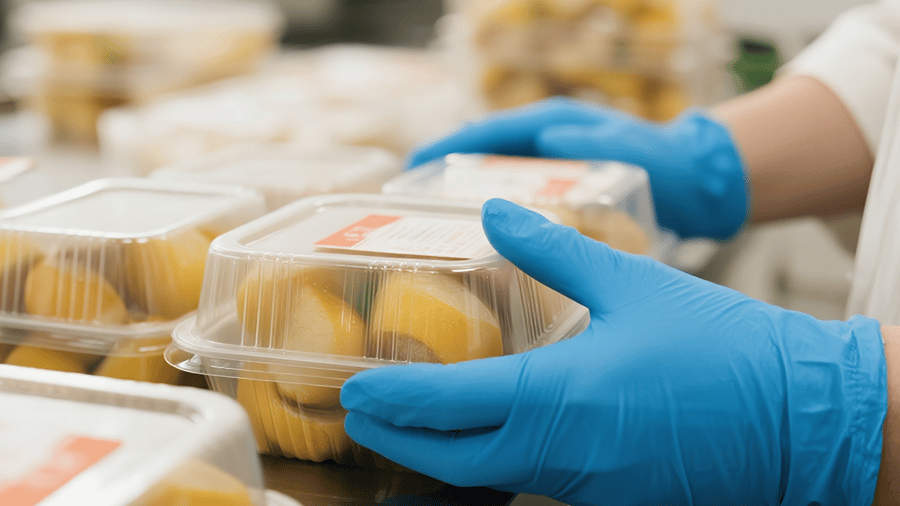
Understanding the Food Packaging Industry
Food packaging is an essential link between food producers and consumers. It ensures that products remain fresh, hygienic, and appealing from the production line to the store shelf. The industry encompasses multiple disciplines — from materials science and machinery operation to logistics, quality assurance, and environmental management.
Modern food packaging is driven by innovation and compliance. As consumer preferences shift toward sustainable and eco-friendly products, packaging professionals play a key role in developing biodegradable materials, improving recycling processes, and reducing carbon footprints.
Beyond technology, the field also demands a deep understanding of regulatory standards. Food safety, labeling accuracy, and traceability are strictly monitored, making packaging specialists indispensable to the success of any food manufacturer.
Key Responsibilities in Food Packaging
Roles in this field vary depending on the production scale, but most positions involve a blend of technical, operational, and quality-focused tasks.
Typical responsibilities include:
Operating and maintaining automated packaging equipment
Inspecting and labeling food products accurately
Ensuring hygiene and safety standards are met during processing
Managing packaging materials inventory and logistics
Conducting quality checks to prevent contamination or damage
Collaborating with production and supply chain teams to meet deadlines
As automation becomes more advanced, there’s an increasing need for individuals with mechanical aptitude and the ability to troubleshoot modern packaging systems.
Required Skills and Qualifications
Food packaging doesn’t necessarily require a university degree, making it accessible to individuals from diverse backgrounds. However, certain skills and certifications can enhance employability and advancement opportunities:
Attention to detail – critical for monitoring labeling accuracy and product consistency.
Basic mechanical knowledge – helpful for operating and maintaining machinery.
Understanding of hygiene and safety standards – essential in food handling environments.
Team coordination – to ensure smooth workflow across departments.
Adaptability – as packaging technologies and materials continue to evolve.
Certifications in food safety, hazard analysis (HACCP), or machine operation are highly valued and can lead to faster career progression.
Career Progression and Advancement
The food packaging field offers clear advancement paths for motivated individuals. Entry-level employees often begin with hands-on packaging and inspection duties, then progress into roles such as:
Packaging Supervisor – overseeing team performance and workflow.
Quality Control Technician – ensuring regulatory compliance and product safety.
Maintenance Specialist – handling equipment servicing and repairs.
Production Coordinator – managing schedules, logistics, and output targets.
Packaging Engineer – designing efficient and sustainable packaging solutions.
For those interested in long-term growth, pursuing additional training in automation, materials engineering, or food technology can open doors to management or R&D positions.
The Growing Focus on Sustainability
Sustainability has become one of the strongest driving forces in the food packaging industry. Companies are now investing heavily in eco-friendly materials such as bioplastics, compostable films, and paper-based alternatives.
Professionals in this area are expected to understand life-cycle assessment, recycling standards, and environmental compliance. As global regulations tighten, those who can balance functionality with environmental responsibility will remain in high demand.
Moreover, innovative packaging design not only reduces waste but also enhances brand reputation — a key reason businesses seek talent who can align packaging efficiency with sustainability goals.
Working Environment and Conditions
Food packaging operations typically take place in production facilities or distribution centers. The environment is structured, fast-paced, and hygiene-focused, with temperature control and safety equipment provided.
Shifts may vary depending on production schedules, and teamwork is essential. While some positions involve repetitive manual tasks, others require technical monitoring, quality auditing, or machinery supervision.
Safety protocols are stringent, including the use of protective gear, cleanliness standards, and equipment training to minimize risks. For individuals who value structure and stability, this environment provides a consistent and secure setting.
Technological Transformation in Packaging
The industry is undergoing a significant transformation through automation and digital integration. Smart packaging machines now feature:
Automated sealing and labeling systems
Barcode and QR code tracking for supply chain transparency
Data monitoring for production efficiency
AI-driven inspection systems that detect errors in real time
As companies adopt these technologies, the demand for technically skilled operators and data-literate professionals continues to grow. The future of food packaging will increasingly blend physical production with digital oversight, offering new opportunities for career development.
Why Consider a Future in Food Packaging
Choosing a career in food packaging provides numerous advantages:
Stability – Food is a basic necessity; packaging remains vital regardless of economic shifts.
Accessibility – Entry-level roles are open to individuals with minimal prior experience.
Career mobility – Opportunities to move into supervisory, technical, or management roles.
Skill development – Hands-on training in machinery, safety, and logistics.
Sustainability contribution – Direct involvement in reducing waste and improving eco-practices.
For those who enjoy practical, results-oriented tasks and contributing to essential industries, food packaging offers both security and growth potential.
Building a Long-Term Career Strategy
Success in this field depends on consistent skill development and adaptability. Workers who pursue technical training, safety certifications, and continuous improvement often advance faster and command higher salaries.
Networking with industry professionals, attending packaging technology seminars, or learning about automation systems can provide valuable insights and open new opportunities. Over time, individuals can transition from line operations to roles involving process optimization, project management, or sustainability consulting.
Conclusion
Food packaging is far more than a behind-the-scenes process — it is a critical component of global food safety, quality, and sustainability. As technology and consumer expectations evolve, professionals in this field are shaping how the world consumes food safely and responsibly.
For anyone seeking a secure, impactful, and future-oriented career path, the food packaging industry offers a promising route that combines technical expertise, environmental awareness, and real-world value.