Laser Welding Machines: Precision, Efficiency, and Industrial Applications
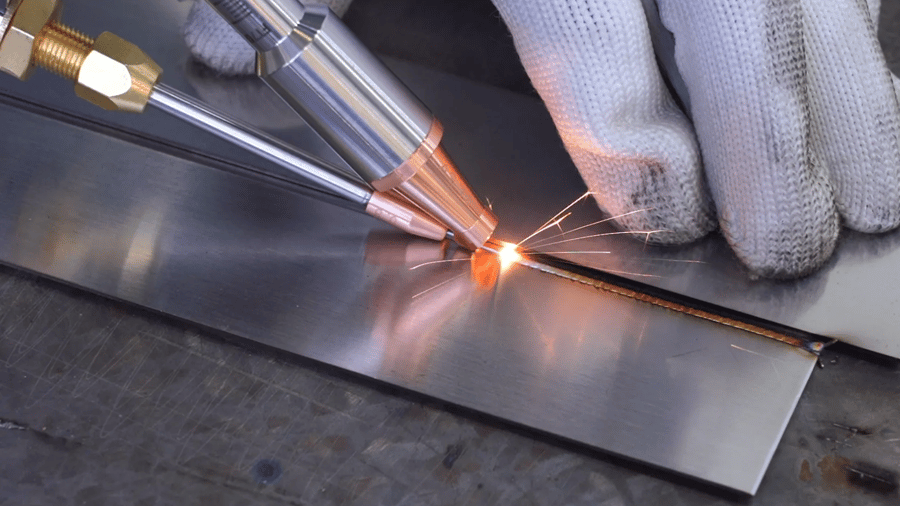
Understanding Laser Welding Machines
Laser welding is a process that uses a focused beam of light to fuse metal parts with high precision and minimal distortion. Unlike traditional welding methods, laser welding provides concentrated heat, enabling clean welds, smaller heat-affected zones, and faster production rates.
These machines are widely used across industries, including automotive, aerospace, electronics, medical device manufacturing, and jewelry production. The technology allows for complex geometries, thin materials, and difficult-to-reach areas to be welded efficiently.
How Laser Welding Machines Work
Laser welding machines operate by directing a laser beam onto the material surface, which melts the metal and allows it to fuse with another piece. Key components include:
Laser Source – typically fiber, CO₂, or diode lasers
Beam Delivery System – mirrors or optical fibers guide the laser
Focusing Lens – concentrates the beam for precise melting
Workpiece Fixture – holds materials in place for accuracy
Control System – software that regulates power, speed, and weld path
Laser welding machines can operate in continuous wave (CW) or pulsed mode, depending on the application and material thickness. CW mode is suitable for thicker materials, while pulsed mode provides precise control for thin or sensitive materials.
Types of Laser Welding Machines
Fiber Laser Welding Machines High efficiency, low maintenance, excellent beam quality Suitable for metals like stainless steel, aluminum, titanium
CO₂ Laser Welding Machines Traditional industrial lasers, effective for thicker metals Lower cost than fiber lasers, but higher maintenance
Diode Laser Welding Machines Compact, energy-efficient, used for precision welding Ideal for medical devices, electronics, and small parts
Each type has unique advantages depending on the material, thickness, and production requirements.
Advantages of Laser Welding Machines
Laser welding machines provide several benefits over conventional welding methods:
Precision and Accuracy – Focused laser allows for micrometer-level welds
Speed and Productivity – High-speed welding reduces production time
Minimal Distortion – Concentrated heat reduces warping of components
Automation Compatibility – Easily integrated into robotic systems for consistent quality
Versatility – Works with various metals, alloys, and even some plastics
Reduced Post-Processing – Clean welds minimize the need for grinding or finishing
Industries that demand tight tolerances and high-quality finishes often prefer laser welding for these advantages.
Common Applications
Laser welding machines are used in diverse industrial sectors:
Automotive Industry – Welding engine components, transmission parts, and body panels
Aerospace – Precision welding of turbine blades, fuel components, and lightweight alloys
Electronics – Micro-welding of connectors, battery packs, and circuit boards
Medical Devices – Surgical instruments, implants, and dental tools
Jewelry and Art – Fine welding of gold, silver, and other precious metals
The technology is particularly valuable where strong, precise, and aesthetically clean welds are required.
Considerations When Choosing a Laser Welding Machine
When selecting a laser welding machine, consider:
Material Type – Different metals absorb laser energy differently
Material Thickness – Determines laser power and mode (CW vs pulsed)
Production Volume – High-volume production may require automated systems
Weld Quality Requirements – Consider surface finish, depth, and strength
Budget and Maintenance – Initial cost, operating costs, and service requirements
Integration Needs – Robotic automation, safety enclosures, and software compatibility
Choosing the right machine ensures optimal performance, longevity, and cost efficiency.
Safety and Training
Laser welding involves concentrated light and high heat, requiring strict safety measures:
Protective Eyewear – Shields eyes from laser radiation
Ventilation Systems – Removes fumes and particulates from welding areas
Enclosures and Barriers – Prevents accidental exposure
Operator Training – Essential for safe and effective operation
Proper training also improves weld consistency and reduces errors, maximizing machine value.
Automation and Robotic Integration
Modern laser welding machines can be integrated into automated production lines, enhancing efficiency and repeatability. Robotic systems allow:
Precise positioning of complex components
High-speed welding without fatigue or inconsistency
Integration with vision systems for quality control
Increased throughput with reduced labor costs
Automation is particularly valuable for high-volume manufacturing in automotive and electronics industries.
Maintenance and Cost Considerations
Laser welding machines require regular maintenance to ensure performance:
Cleaning optics and lenses
Monitoring cooling systems
Checking alignment and beam quality
Regular software updates and calibration
While the initial investment may be high, the precision, speed, and reduced rework often result in lower overall production costs and higher ROI compared to traditional welding methods.
Future Trends in Laser Welding
The laser welding industry is evolving rapidly:
Higher Power Fiber Lasers – Allow welding of thicker metals faster
Hybrid Welding Systems – Combine laser and arc welding for improved penetration
Artificial Intelligence Integration – Real-time monitoring and adaptive welding parameters
Sustainable Manufacturing – Reduced energy consumption and material waste
These trends make laser welding an attractive, forward-looking option for manufacturers aiming to increase productivity and maintain quality standards.
Conclusion
Laser welding machines are a cornerstone of modern manufacturing, providing unmatched precision, speed, and versatility. They serve critical roles across industries from automotive and aerospace to electronics and medical devices.
By understanding the types of machines, applications, safety considerations, and technological advancements, manufacturers can leverage laser welding to achieve high-quality, efficient, and cost-effective production. For companies seeking consistent performance, minimal distortion, and scalable production, investing in laser welding technology is a smart choice.